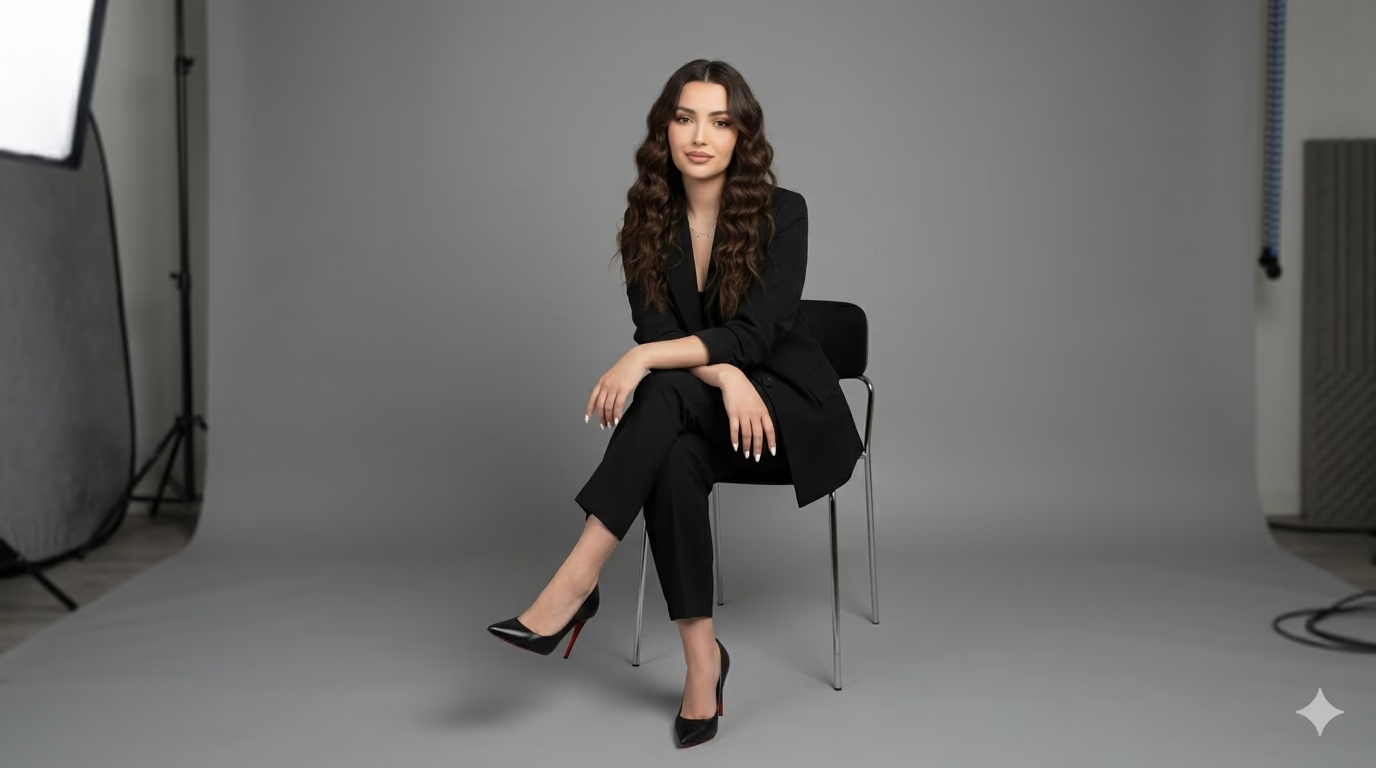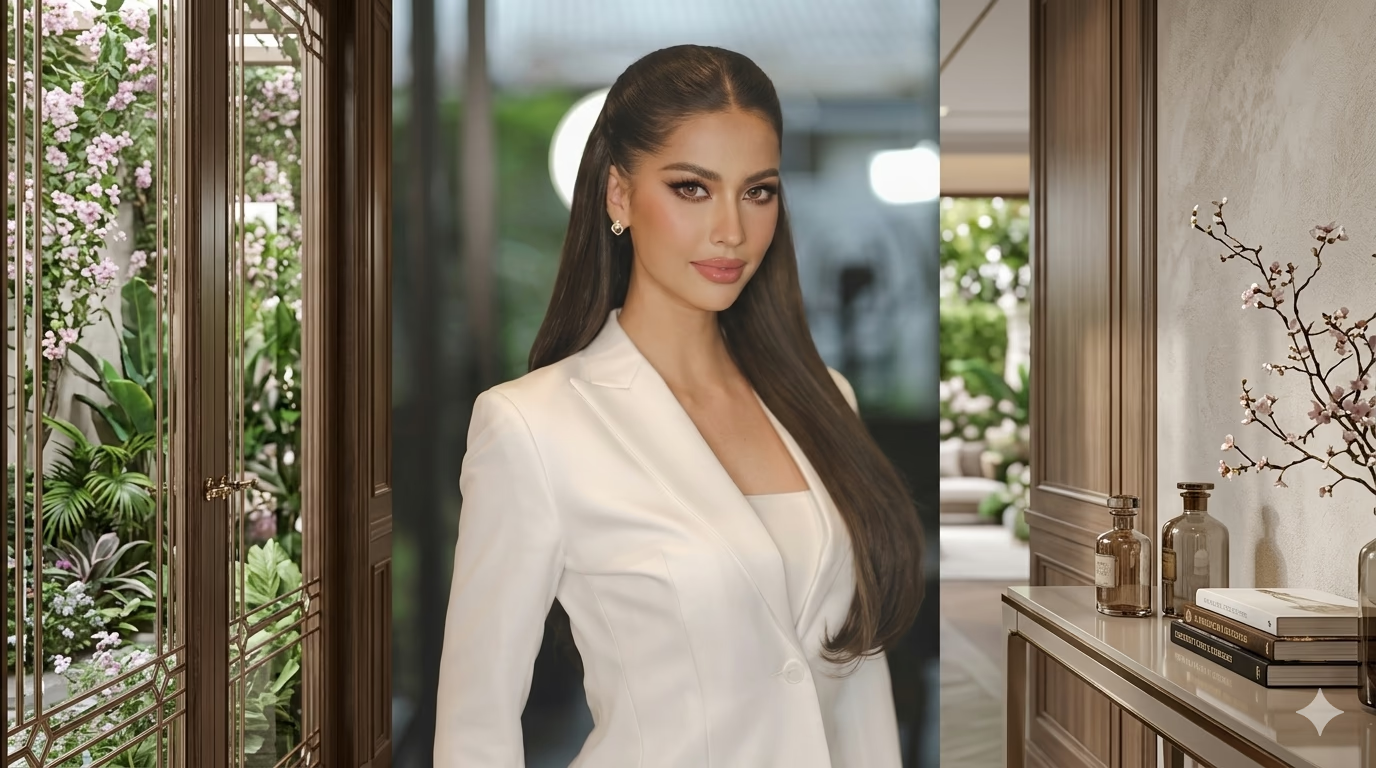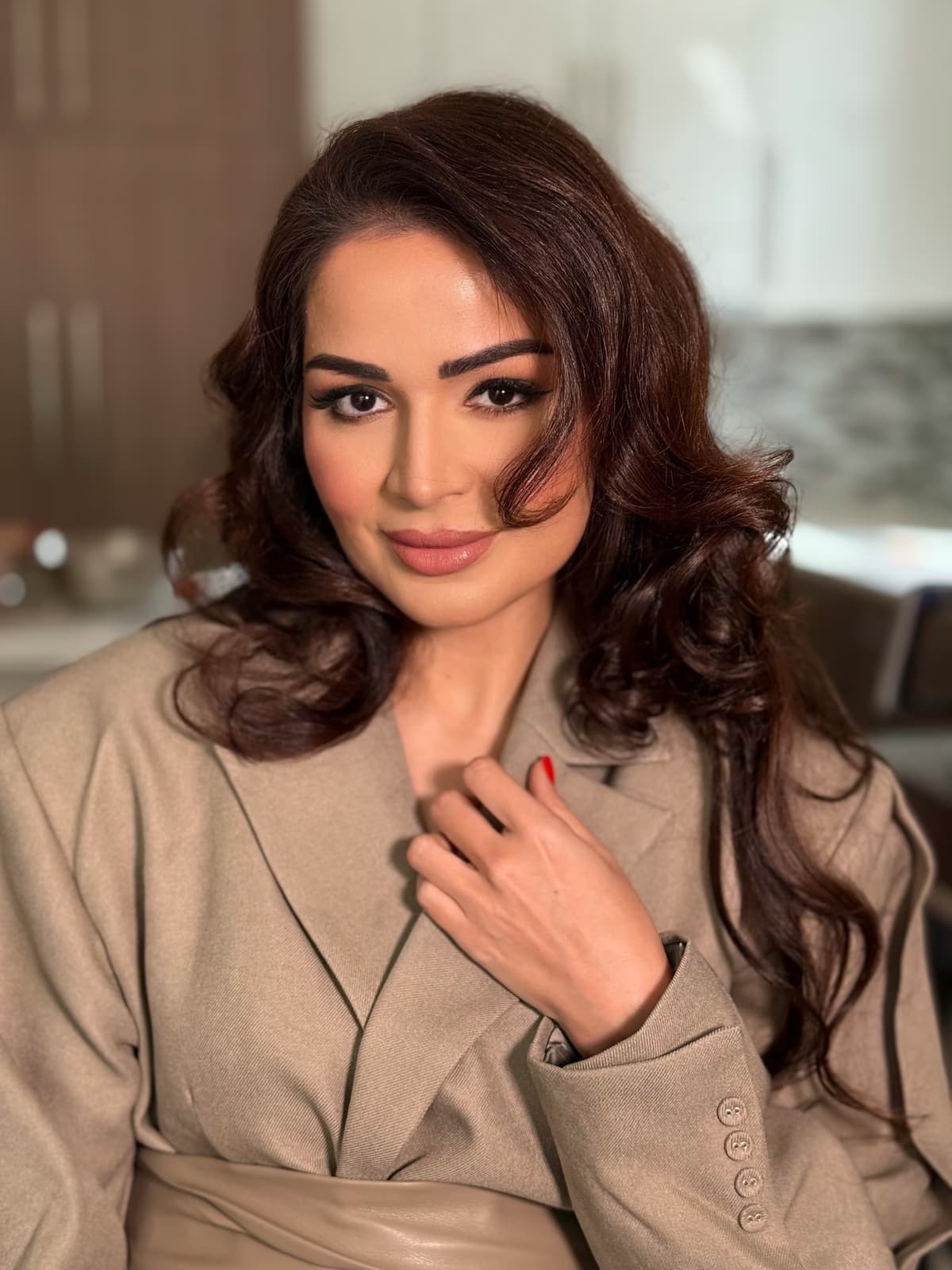
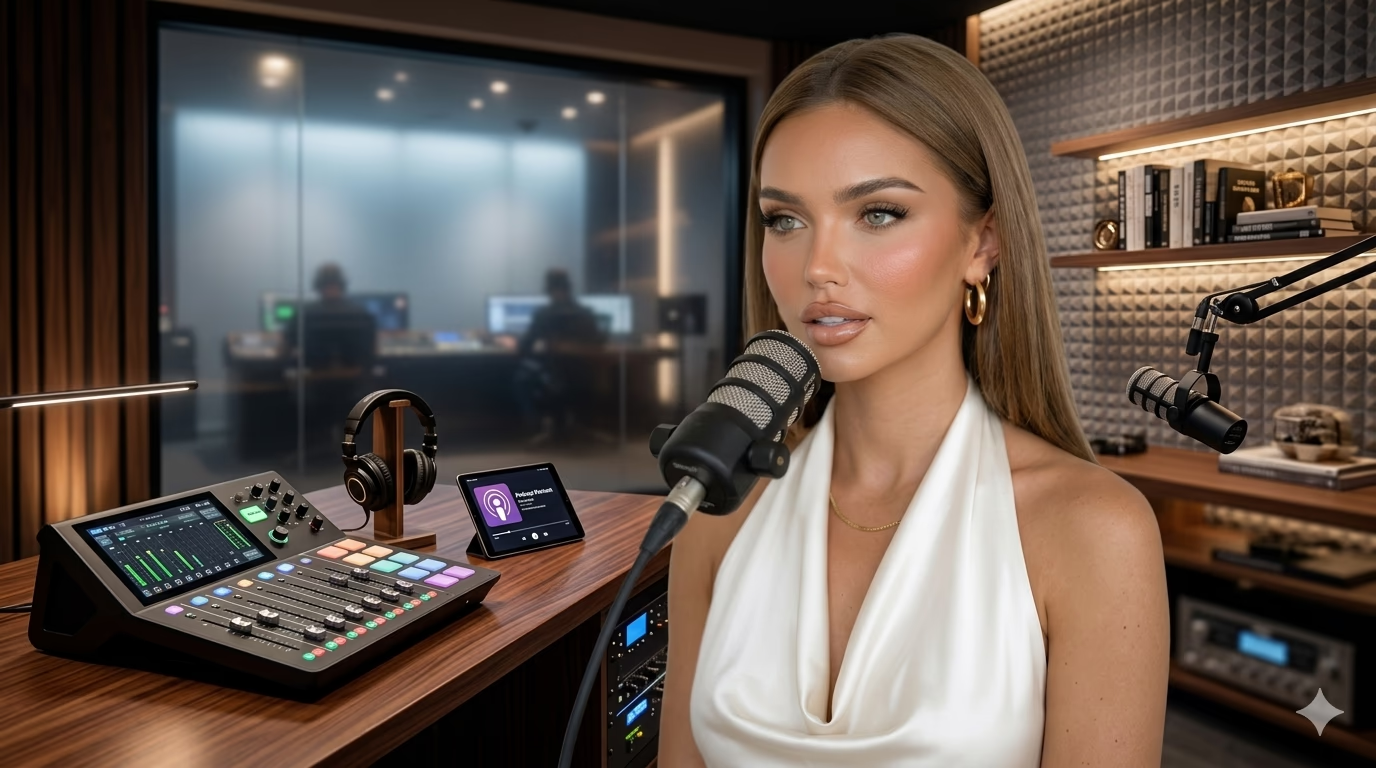
On camera makeup in Dubai has to work under studio lights, phone cameras, and live video. Here is how a polished media look is planned properly.
Being on camera changes the way makeup behaves. Products that look balanced in person can turn shiny under studio lights, disappear on a phone camera, or read unevenly in high-definition video. On camera makeup in Dubai has to account for all of those variables at once, and it also has to hold through long filming schedules, repeated takes, and the fast pace of media environments where there is rarely time to stop and rebuild a look from scratch.
This post explains what makes on-camera makeup different from event or everyday makeup, how the brief changes depending on whether you are filming a video interview, appearing on television, or representing a brand, and what you should discuss with your artist before the appointment so the finished look supports the camera instead of fighting against it.
What On-Camera Makeup Has to Do Differently
Video changes the face in a very specific way. Most cameras flatten natural depth, reduce the visibility of subtle shaping, and exaggerate shine in areas where the skin is already prone to reflect light. This is why a look that feels completely normal in the mirror may read tired, oily, or unfinished once the recording starts. The issue is not always the makeup itself. It is often the interaction between the makeup, the lighting setup, and the camera sensor capturing every surface detail.
In Dubai, this matters even more because many shoots move between locations, from indoor studios and offices to hotel venues and daylight exteriors. The artist has to build a look that remains consistent as lighting conditions change. A media makeup artist in Dubai is not simply applying products for a flattering finish in person. The work is calibrated for how the face translates through screens, compression, and professional recording equipment.
How Skin, Texture, and Finish Read on Video
The most reliable on camera makeup in Dubai starts with skin preparation that creates grip without excess slip. Heavy skincare, rich sunscreen textures, and reflective primers can all interfere with how the base performs on video, particularly under heat from lights or prolonged wear. The goal is skin that looks fresh but controlled, which usually means a balanced base with selective luminosity rather than all-over glow.
For the features, definition matters more than drama. Brows need structure, the eyes need enough framing to stay visible when the camera pulls back, and the lip colour needs to keep the face from looking washed out. Matte or satin finishes usually perform more consistently than glossy textures on video, especially for interviews and corporate media work, because they reduce distracting reflection while still keeping the face alive on screen.
TV Appearance Makeup versus Video Interview Makeup
Makeup for a TV appearance in Dubai typically requires more precision than makeup for a simple talking-head video or internal brand recording. Broadcast and studio cameras pick up detail more aggressively, and studio lighting can flatten the face within seconds if the makeup has not been shaped correctly. That does not mean the look should be heavy. It means the contour, under-eye correction, powder placement, and eye definition need to be technically correct.
A video interview, by contrast, often sits much closer to the face and may be filmed in a less controlled environment such as an office, conference space, or hotel suite. In that setting, the artist has to create clarity without making the makeup feel overworked at close range. This is why makeup for a video interview in Dubai often sits between headshot makeup and event makeup: polished enough for the lens, restrained enough for conversational framing.
Brand Appearances Need a Different Brief
Brand appearances create a third kind of brief. If you are speaking at a launch, representing a company on social media, filming branded content, or appearing in a media interview on behalf of a business, the makeup has to align with the wider visual identity of that brand. It needs to look polished, dependable, and coherent with the wardrobe, lighting, and tone of the content. Personal style still matters, but the camera-facing look has to serve the brand as well as the individual.
That is why briefing matters. Before the appointment, your artist should know where the content will appear, what camera setup is being used, whether the lighting is natural or artificial, how long filming is expected to last, and whether there will be quick changes between scenes. If the shoot involves photography as well as video, that should be discussed too, because the balance between texture control and skin finish may need to shift slightly to satisfy both formats at once.
Elani Plans On-Camera Makeup Around the Format
For professionals preparing for press features, interviews, branded content, or filmed appearances, Elani's corporate makeup service in Dubai is built around the exact demands of on-camera work. Each brief is planned around the recording format, lighting conditions, and length of wear so the finished look stays consistent from the first frame to the last.
Send your filming details to Elani and a personalised quote is prepared within 24 hours.
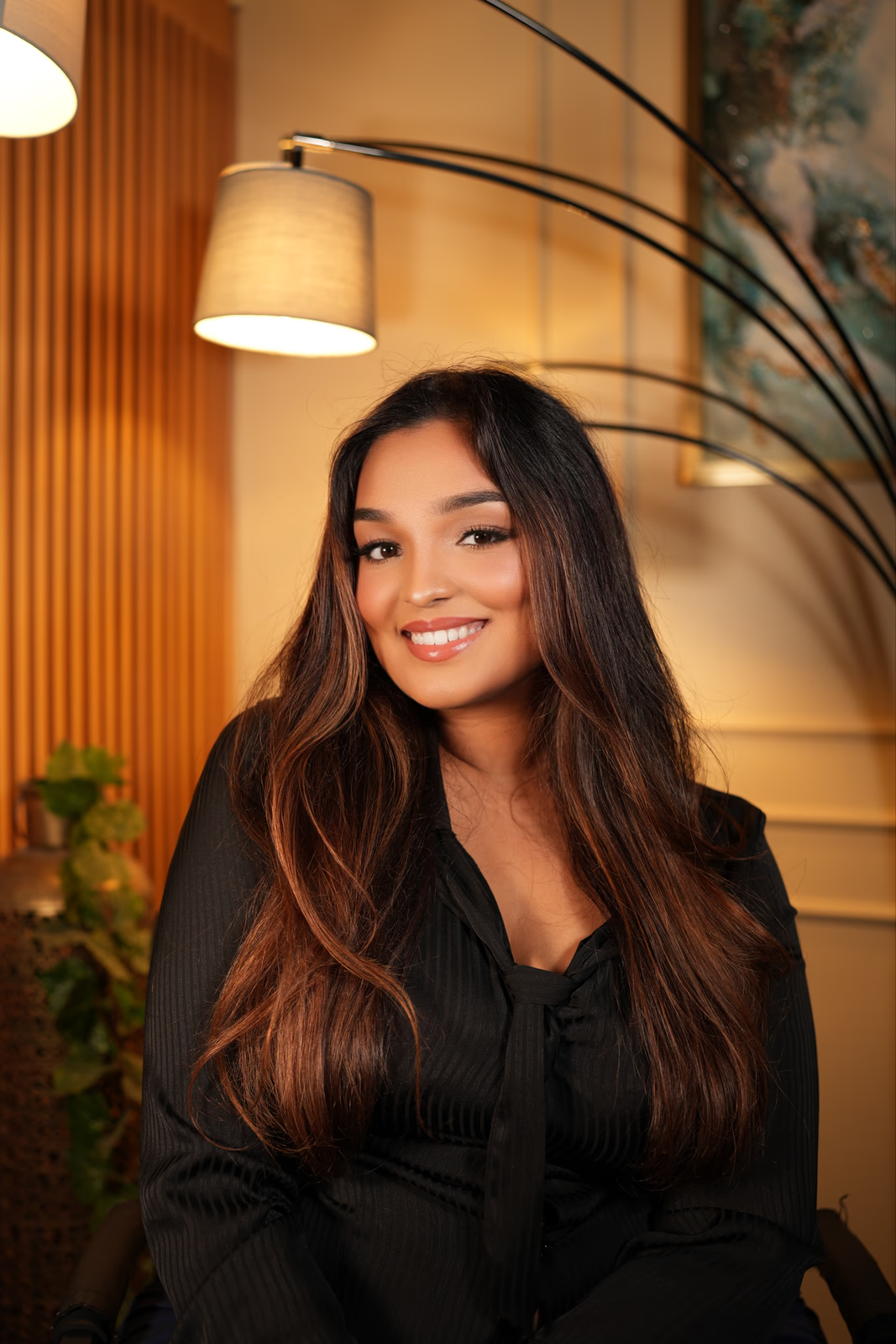
Elani
Elani makeup artist · Founder, Elani Artistry Dubai
Elani is the founder of Elani Artistry and one of the most sought-after makeup artists in Dubai. With nine years of experience across bridal, editorial, and celebrity beauty in the UAE, she is recognised as a leading Dubai makeup artist across Indian, Arabic, Pakistani, and Western wedding traditions.
@elanimakeupartist